
The Role of GIFs in Digital Marketing - Stats, Tips & Examples
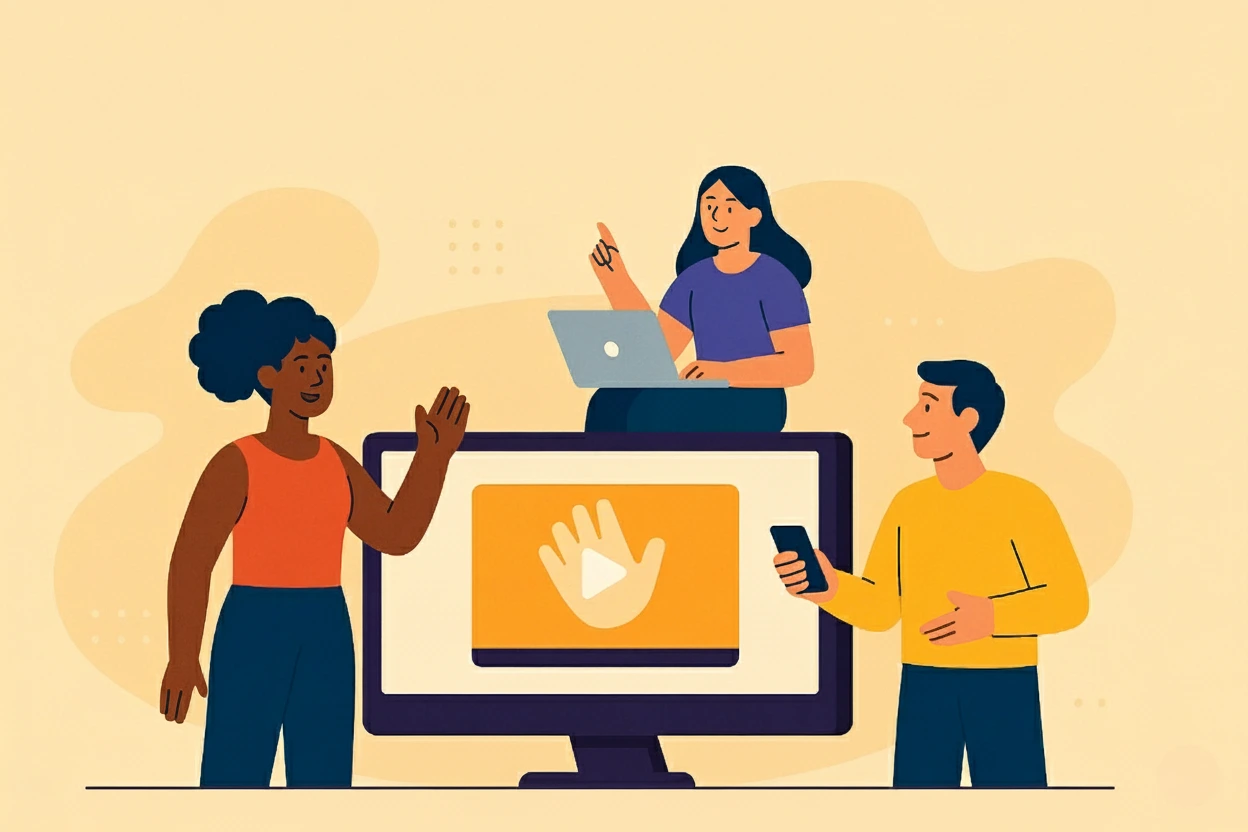
The Role of GIFs in Marketing
Introduction
GIFs have quietly become one of the most influential communication tools on the internet. They sit between a static image and a full video, carrying emotion, clarity, and personality in a lightweight format. Brands now rely on them to explain features, guide user actions, and bring a human touch to their messaging. With audiences scrolling faster every year, GIFs help marketers deliver meaning instantly. This article explores why they work so well, how companies use them, and what makes a GIF effective in modern campaigns.
Why GIFs Still Matter
The internet moves quickly. Most people skim instead of reading, tap instead of waiting, and prefer visuals over text. GIFs solve a big problem here: they communicate fast. A looping motion catches the eye and tells a story without demanding effort from the viewer.
Unlike videos, GIFs play automatically. Unlike images, they show movement that helps viewers understand an action or idea. They’re also small in size, which means they load smoothly even on slower networks.
GIFs have become part of everyday digital language. People use them to react, express emotions, or simplify explanations. Brands simply followed where the audience already was.
What Makes GIFs Effective
GIFs blend motion and simplicity, which makes them ideal for marketing.
Expressive and emotional
A short looped clip can communicate tone, personality, and energy in a way text alone can’t. This helps brands feel more human, approachable, and relatable.
Perfect for micro-learning
Explaining how a feature works in a 30-second video often feels heavy. A GIF breaks it into a clean, five-second loop. No play button. No narration. No cognitive load.
Works across multiple platforms
GIFs in Marketing show up everywhere: social media, landing pages, emails, support docs, messaging apps. This gives brands a unified visual tool that adapts to different contexts.
Fits today’s attention span
Most users decide within seconds whether to continue reading or scroll away. A GIF brings instant clarity and keeps the viewer engaged long enough for the message to land.
Where Brands Use GIFs
Companies have adopted GIFs across the entire customer journey.
1. Product pages
A looping animation showing a product feature or mechanism reduces confusion and boosts conversions. For example, showing a backpack’s hidden compartments or a gadget’s setup process.
2. Email marketing
Emails with GIFs consistently see higher click-through rates. Subtle movements draw attention to offers, buttons, or product highlights. For email-specific deliverability guidelines and fallback tricks, see our full guide on using GIFs in emails and newsletters.
3. Social media posts
Platforms like X, Instagram, and TikTok autoplay short visual loops to capture mobile attention. For actionable post formats, check out our 10 creative ways to use GIFs in social media posts. (And if you’re publishing to Reels or TikTok, follow our walkthrough on how to post a GIF on Instagram & TikTok by converting to MP4).
4. Tutorials and help centers
Instead of paragraphs of instructions, a GIF showing the steps simplifies onboarding. Users understand faster and need less support.
5. Ads and landing pages
Motion helps guide the eye. A GIF highlighting a button, showing a transition, or demonstrating value keeps visitors focused on the intended action.
How to Create Effective GIFs
Great GIFs are simple. They focus on clarity, looping, and intention.
1.Keep the message focused
A GIF should communicate one idea at a time. Too much motion becomes noisy.
2. Stay under five seconds
Short loops work best. They reduce file size, load faster, and hold attention.
3. Use brand colors and visual consistency
This keeps every GIF recognizable and helps build brand identity.
4. Make the loop clean
A jarring loop distracts viewers. Smooth transitions feel professional and pleasant.
5. Minimize text
Use text only when necessary. The motion should tell most of the story.
// Example MDX Image Embed
<img
  src="/demo-loop.gif"
  alt="GIF demo example"
  style={{ borderRadius: "8px", width: "100%" }}
/>
Accessibility Matters
Inclusivity shouldn’t be an afterthought. GIFs should work for everyone.
Avoid flashing elements
Rapid flashes can trigger discomfort or health issues. Stick to subtle transitions.
Add captions or labels
If the GIF explains instructions, add short labels for clarity (see how to add text to a GIF or use our Free Caption Generator for automatic video captions).
Keep details large enough
Tiny icons or text often get lost on mobile screens.
Provide a static fallback
Some users disable autoplay or have bandwidth limitations. A still image helps ensure they don’t miss the message.
The Future of GIFs in Marketing
As AI design tools grow more powerful, brands will create GIFs in minutes instead of hours. Personalized GIFs may become common—loops tailored to user segments, browsing behavior, or purchase history.
GIFs may also merge with interactive elements. Think scroll-triggered animations, adaptive demos, or AI-generated explanations. With richer optimization and better compression, marketers will continue to rely on GIFs for storytelling and user education.
When Not to Use GIFs
Even though GIFs are effective, they’re not always the right choice.
File size problems
Large GIFs load slowly and can frustrate viewers.
Too much motion
If everything on a page moves, attention gets scattered.
Poor mobile experience
Overly detailed GIFs lose clarity on small screens.
The rule’s simple: use GIFs when they clarify or enhance. Avoid them when they distract.
Final Thoughts
GIFs play a valuable role in modern marketing. They help brands communicate quickly, show personality, and turn complex ideas into simple visuals. As long as audiences prefer fast and expressive communication, GIFs will stay relevant.
Marketers who use them with intention—and understand their strengths and limitations—create content that feels clearer, friendlier, and more memorable. GIFs in Marketing aren’t just a trend. They’re a practical tool for communicating in a world that keeps getting faster.

Written by Pradip Kaity
Software engineer & creator of FreeGifTools. Passionate about building fast, accessible browser-based tools for creators and developers.
Connect on LinkedIn →